HealthTech - Product Audit
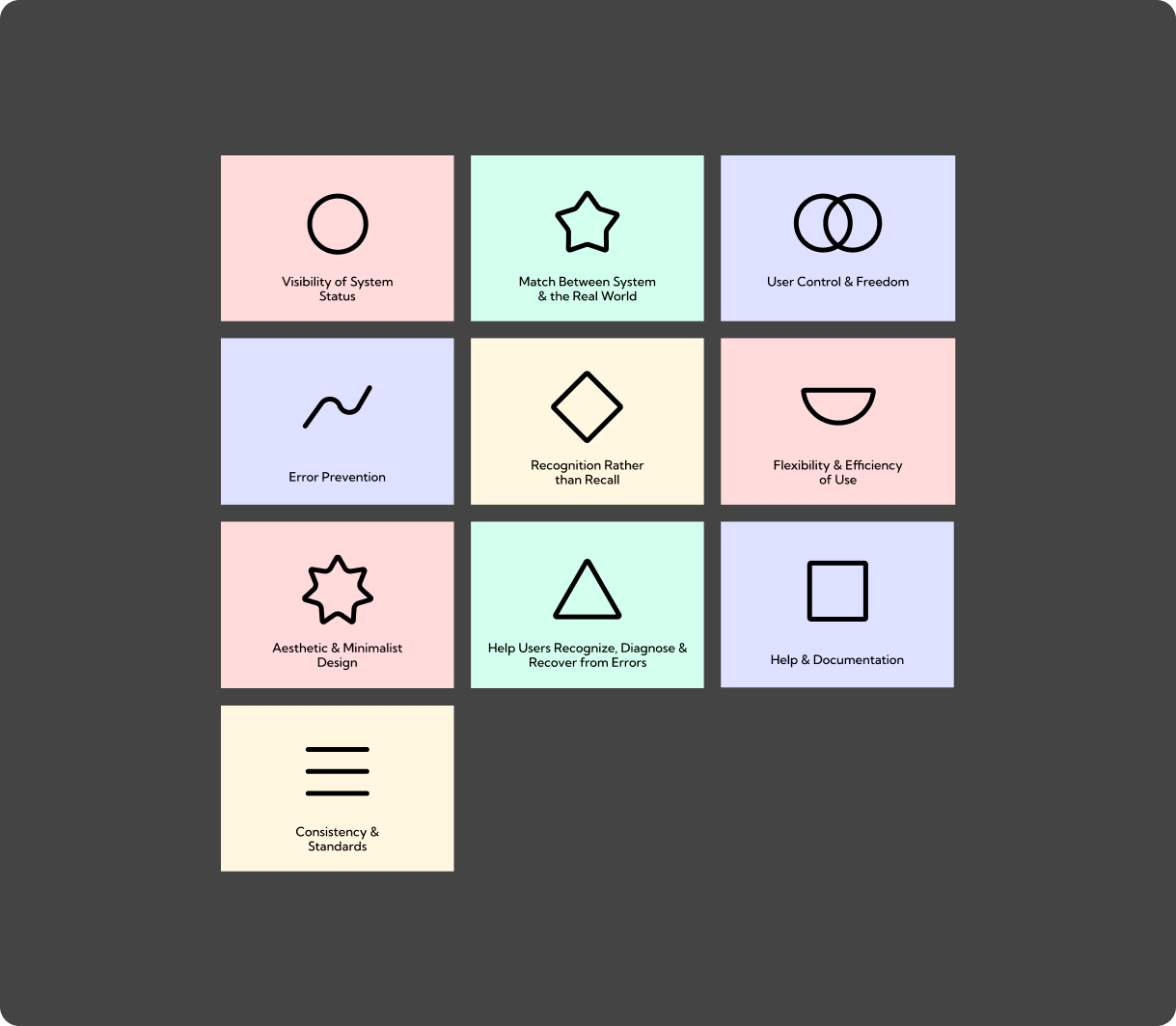
Who
A digital health company operating a web-based platform in the mental wellness industry, focused on connecting users with psychologists and therapeutic resources through an online onboarding journey. The platform aims to support a broad user base with an approachable, friendly user experience, catering to both first-time and returning users seeking psychological services.
Challenge
The client faced friction points across their onboarding funnel, resulting in user confusion, drop-offs, and inefficient data collection. Visual clutter, inconsistent calls-to-action, overwhelming or unclear steps, and logic bugs in the multi-step onboarding process hindered the user experience.
The absence of streamlined guidance meant users, potentially in vulnerable mental states, found it difficult to complete the registration and connect with a therapist quickly, risking lost engagement.
My goals:
-
Identify and prioritize critical usability barriers in the onboarding flow.
-
Highlight UI and content inconsistencies that disrupt clarity, trust, and motivation.
-
Provide actionable recommendations to optimize the experience so users are more likely to complete onboarding and begin their therapy journey.
- Enable the business to turn more visitors into loyal customers without in-house product design expertise.
How I Solved It / Findings
To address these issues, I conducted a targeted audit of the site’s user experience, combining direct user journey analysis with technical and heuristic evaluation. Each area below corresponds to concrete barriers and data points identified in the process.
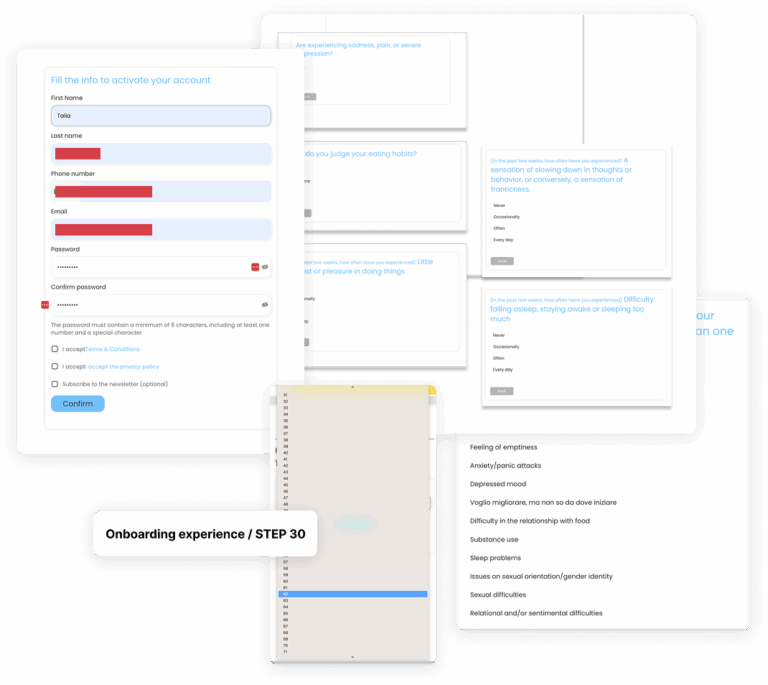
Comprehensive Audit
Carefully analyzed every onboarding screen and interaction -> over 29 distinct steps to trace user pathways, spot bottlenecks, and catalogue points where confusion or frustration could cause drop-off. This included capturing detailed notes on first impressions, CTA visibility, and flow interruptions to create a foundation for targeted improvements.
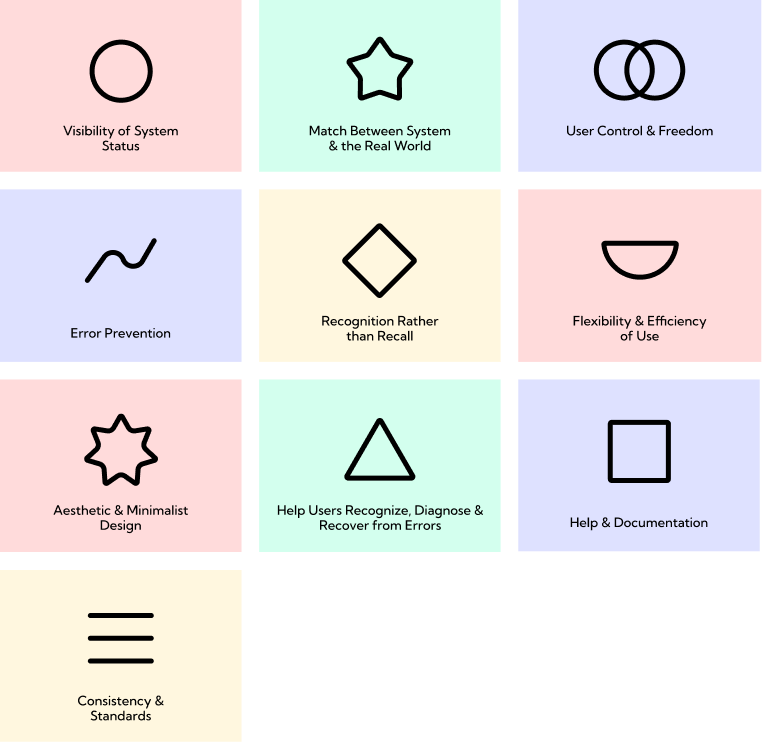
Heuristic Evaluation
Assessed the entire user interface against established usability principles, focusing on clarity and consistency. Paid special attention to the placement and design of calls-to-action (CTAs), visibility of progress bars, and logical navigation to ensure users always understand what’s next and don’t feel lost at any point.
Flow and Copy Analysis
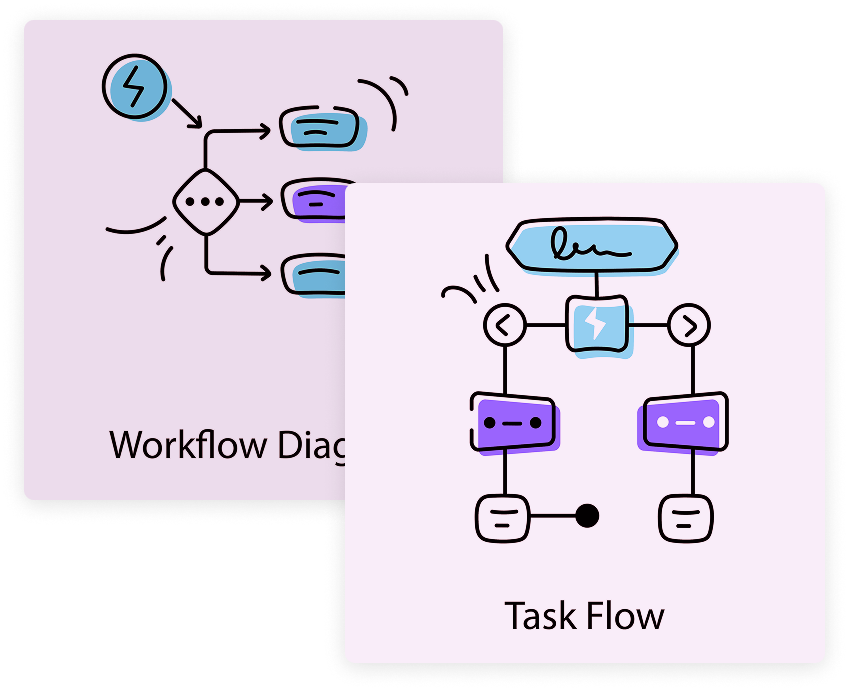
Reviewed onboarding content and interactions to uncover sources of cognitive overload, such as too much reading, unclear task instructions, or mismatched button styles. Checked for overwhelming choice menus and flagged screens where more motivational cues or guidance could help boost engagement across varied user groups.
Functional Testing
Ran the onboarding flow multiple times to expose hidden technical or logical issues: like broken links, steps that don’t allow users to go back and edit info, or duplicate entry requirements. Special focus was placed on scenarios with and without access to promotional bonuses for psychological services, ensuring all users had a seamless experience.

Results & Recommendations
- Clarify the main call-to-action (CTA) and reduce visual clutter to focus user attention in the crucial first seconds.
- Streamline the onboarding steps: minimize reading, clarify multi-select options, add guiding text where confusion arose, and ensure logical navigation (including Back functionality and progress visibility).
- Fix bugs affecting user flow (e.g., inconsistent or broken buttons, error handling for user choices).
- Introduce context-aware motivational content and recognition of user progress to support engagement, especially through sensitive steps.
- Implement a consistent, visually engaging design system to unify all user touchpoints.
Outcome
The audit findings provided the client with a clear roadmap of high-impact, actionable changes, empowering their design and tech teams to prioritize fixes that directly influence user onboarding completion and satisfaction.
Improved onboarding usability is projected to reduce user drop-off, accelerate access to care, and strengthen trust in the digital health brand – all crucial for growth and retention in the competitive teletherapy space.